


Here Comes the Bus
3.48.87K Reviews
App Specs
- Version
- 4.0.6
- Updated On
- License
- Free
- Downloads
- 1,000,000+
- Developer
- CalAmp Student Safety (Formerly Synovia)
- Categories
- Education
- Platform
- Android
Screenshots
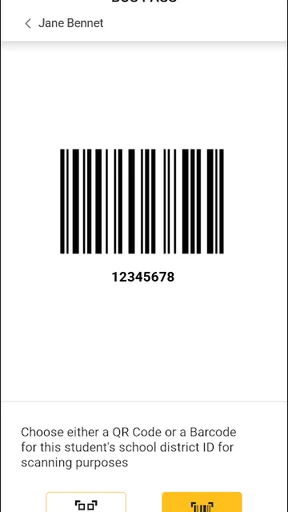
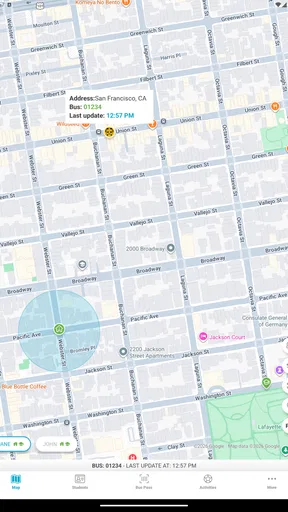
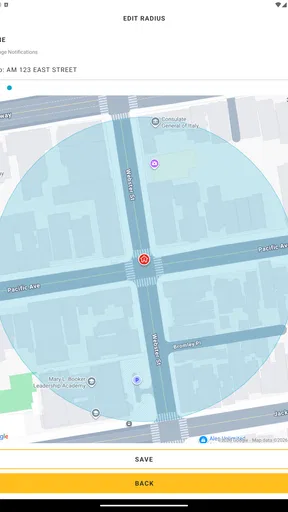
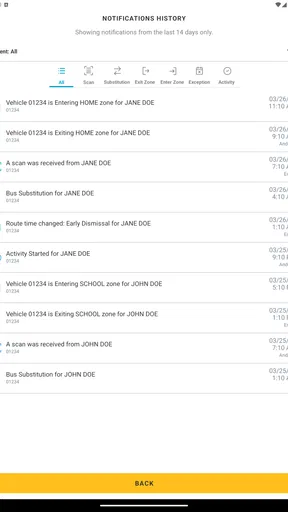
 Analysis by AppCompare
Getting a child to a school-bus stop at the right moment sounds simple until the morning routine includes breakfast, bags, weather, traffic and a bus that may not arrive exactly when expected. Here Comes the Bus is an education app built around that narrow but important problem. I found it most useful when I treated it as a timing aid for a school transportation routine, not as a general family-tracking tool or a replacement for communication with the school.
The app is free and aimed at Everyone, which makes it easy to consider for families who want a practical way to organize school mornings without adding another paid subscription to the household budget. It is developed by CalAmp Student Safety, formerly known as Synovia, and its store summary captures the central idea: help a parent send a child toward the bus stop at an appropriate time. That focused purpose is both its main strength and the reason some families may find it too limited.
What I looked for before recommending it
My first decision criterion was whether the app could reduce uncertainty without creating a new chore. A bus app is only valuable if it fits naturally into the few minutes when everyone is trying to leave the house. I paid attention to how clearly the expected bus timing could guide a routine, whether the information felt more useful than simply checking a clock, and whether the app made sense for a parent who does not want to monitor transportation constantly.
The second criterion was the type of problem it solves. Here Comes the Bus belongs to the education category, but it is really a school-transportation companion. That distinction matters when comparing it with alternatives. A school district’s own announcements may be better for closures and broad service messages. A family location-sharing app may be better for knowing where a child is after leaving home. A normal calendar or alarm may be better for a fixed schedule. This app makes the most sense when the variable timing of the bus is the issue.
I also considered how much confidence a parent should place in it. I would not use any transportation app as permission to let a young child wait alone in an unsafe place or to ignore a school’s instructions. The app can support a plan, but the quality of the plan still depends on the child’s age, the stop, the weather, and the adults responsible for the route.
A practical morning scenario
Imagine a weekday when the bus usually requires a short walk from the house. Instead of sending a child outside much earlier than necessary, I would check the app while finishing breakfast and use the available timing information to decide when coats, shoes and bags need to be ready. The useful change is not dramatic; it is the removal of a little guesswork. On a calm day, that can mean less waiting in the cold and fewer rushed departures.
The same workflow can help when a child is old enough to prepare independently but still needs a parent’s timing check. I would keep the app as the adult’s reference point, then give the child a simple instruction such as getting ready first and leaving only after the adult confirms it. That avoids turning a changing arrival estimate into a child’s sole safety signal.
Worth Reading Before You Choose

EA SPORTS FC Mobile 26 Is a Bigger Football Game, but It Takes Time

Flipboard Shows What News Apps Must Do Beyond the Feed

Switching to Android Auto Means Rethinking Your Driving Routine

Google Calendar Makes a Crowded Week Easier to Manage

Ludo King Makes the Most of the Minutes Between Plans

Baby Panda World Brings Quick Play to Modern Phones, but Its Game Library Feels Busy
A less obvious use is planning the handoff between siblings. If one child needs supervision at home while another heads to the stop, a parent can use the bus timing as one piece of the sequence rather than relying on a broad “leave at eight” reminder. The app does not solve childcare logistics, but it can make the order of tasks easier to judge.
Where the focused design works well
The strongest part of Here Comes the Bus is its narrow purpose. It does not ask me to turn school transportation into a full household management system. When the family’s main frustration is uncertainty about when to head outside, a dedicated transportation app is more relevant than a generic alarm. The value comes from connecting the morning decision to the bus service rather than to an arbitrary time chosen days earlier.
That focus is especially helpful for families whose schedules change from one day to the next. A fixed alarm can be too early on one morning and too late on another. I would rather check a transportation-specific tool than build several alarms around an estimate that may not hold. This is a small distinction, but it is exactly where a specialized app earns its place.
Another strength is accessibility of entry. The app is free, and its age classification is Everyone, so there is no obvious price barrier or adult-only positioning stopping a family from trying it. It has passed the one-million-install mark, with an average rating of 3.4 from around twenty thousand ratings and about 8.9 thousand written reviews. I read those figures as a sign of broad interest combined with uneven experiences, not as proof that it will work perfectly for every route.
The current version is 4.0.6, and the listed minimum operating-system requirement is version 7.0. That makes it relevant to people using older supported devices, although the practical experience can still depend on the phone, the school transportation setup and the quality of the route information available to the account. I would check compatibility before planning an important morning around it.
Small habits that make it more useful
I would avoid opening the app for the first time during a rushed school morning. The better approach is to set it up when there is time to understand the route information and decide who in the household is responsible for checking it. A parent may prefer to keep the decision on their own phone rather than expecting a child to interpret changing timing information.
I would also use a backup routine for days when the phone is unavailable, the connection is unreliable or the transportation information does not match what is happening at the stop. A printed school contact number, a known fallback departure time and a clear rule about waiting are more useful than assuming one app can cover every exception. The safest workflow treats the app as an aid to judgment, not the judgment itself.
One practical trade-off is that checking too often can create more anxiety than it removes. I would choose one or two deliberate moments: once while getting ready and again only if the situation appears unusual. Constantly refreshing a transportation screen can make a normal variation feel like an emergency, especially for a parent already worried about lateness.
For households with several children, I would keep each child’s route decision separate even if the morning is shared. A single family departure plan can hide the fact that siblings may have different stops, different walking needs or different supervision requirements. The app is most useful when its information is translated into a clear, child-specific instruction rather than a vague announcement that “the bus is coming.”
Where a different category may fit better
Here Comes the Bus is not automatically the best choice for every school-transportation question. If the main concern is whether school is closed, whether a route has been canceled or whether a district has issued a broad announcement, the school’s official communication channel may be the more appropriate first stop. A transportation timing tool and a school information channel serve different purposes, so I would not expect one to replace the other.
If the family wants to know where a child is after leaving the bus, a general location-sharing service may fit better. That category is designed around people and device locations, while Here Comes the Bus is centered on the bus-stop routine. Choosing the wrong category can lead to disappointment: a parent looking for continuous family reassurance may find a transportation-focused app too narrow.
There are also families for whom a simple alarm is enough. If the bus arrives consistently and the child already knows the walking time, a recurring reminder may be faster and less distracting. I would choose the dedicated app when timing uncertainty is meaningful; I would choose the simpler tool when the route is stable and the extra check adds no real value.
On the other hand, a fixed alarm becomes a weak solution when the family regularly sends a child out far too early just to avoid missing the bus. In that situation, the specialized focus of Here Comes the Bus has a clear advantage. It is not about having more features than an alarm; it is about using information that a normal alarm does not possess.
Limitations I would consider before relying on it
The average rating of 3.4 suggests that the experience is not universally smooth. I would be cautious about interpreting that as a flaw in one specific function, because transportation apps depend on more than the screen itself. Route data, district configuration, account setup and day-to-day service conditions can all affect whether the app feels dependable.
That dependence is the main limitation from a user’s perspective. If the school or transportation provider has not configured the service in the way a family expects, the app may not answer the question the parent actually has. Before making it central to the morning, I would confirm that the child’s route is represented correctly and that the family understands what the displayed timing means.
I would also avoid assuming that an estimated arrival automatically tells a child when it is safe to leave. A parent may need to account for a long driveway, a busy crossing, darkness, snow or a child who walks slowly. The right departure moment is not always the same as the bus’s predicted arrival. This is an important trade-off: more precise transportation information can still require careful interpretation.
The app’s narrow scope may feel restrictive to parents who want one place for attendance, homework, messages and transportation. I actually prefer that it does not pretend to be all of those things, but users should know what they are choosing. If the goal is a complete school-family dashboard, a district platform or school communication system may be a better center of gravity.
What switching to it really involves
Because the app is free, the financial cost of trying it is low. The larger cost is attention. A family has to establish a habit, decide who checks the information and create a backup for unusual mornings. If the household already uses a school portal, a calendar and a family location tool, adding another app can increase fragmentation even when each individual tool is useful.
I would introduce it gradually rather than replacing every existing reminder on the first day. For several mornings, I would compare the app’s guidance with the family’s usual routine and observe whether it genuinely reduces waiting or rushing. That trial period helps reveal whether the problem is bus timing or something else, such as a child needing more preparation time or a route requiring a longer walk.
The cost of abandoning it is also small if it does not fit. A family can return to a fixed routine or use the school’s normal communication method. The more important question is whether the app changes behavior in a helpful way. If everyone still waits outside for the same amount of time, or if the child is checking the phone instead of following a safety plan, the added layer may not be worthwhile.
My recommendation for different families
I recommend Here Comes the Bus to parents whose main problem is deciding when a child should head to the bus stop. It is a sensible first choice when a variable transportation schedule makes ordinary alarms unreliable, and the free price makes experimentation reasonable. I would be especially interested in it for a household that wants the adult to make a more informed timing decision without giving a child responsibility for monitoring the route alone.
I would be more hesitant for families seeking live family location sharing, detailed school communication, or a complete daily organizer. Those needs belong to other categories, and forcing this app to cover them would make the experience feel incomplete. I would also hesitate if the route information is not clearly supported by the child’s school transportation arrangement or if the family cannot maintain a safe adult-supervised routine at the stop.
After using it as a focused decision aid, my view is positive but measured. The app does not need to be elaborate to be useful. Its job is to make one recurring school-morning choice less dependent on guesswork. If that is the problem in your home, I think it is worth trying. Just pair it with common sense, a backup plan and the school’s own instructions, and judge it by whether it makes the routine calmer rather than by how many times you open it.
My clear recommendation: choose Here Comes the Bus when bus-stop timing is the specific problem; choose a simpler reminder when the schedule is already predictable, and choose a broader family or school platform when transportation timing is only one part of what you need.
Pros
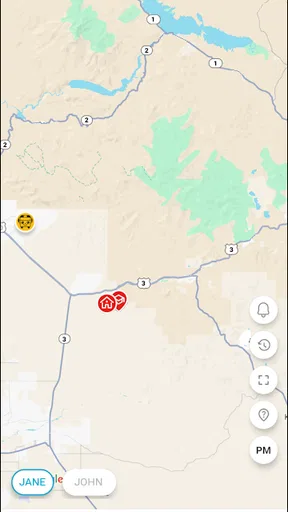
- Real-time bus tracking helps reduce uncertainty at stops.
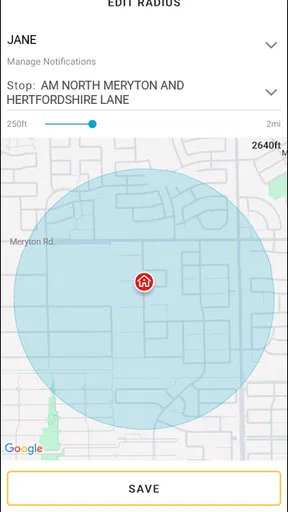
- Stop reminders can notify riders before it is time to leave.
- Route and stop searches make unfamiliar trips easier to plan.
- Service alerts can highlight delays
- detours
- and cancellations.
- Useful for parents monitoring school bus arrival information.
Cons
- Coverage depends on whether your school district supports the service.
- Location updates may occasionally lag behind the bus’s actual position.
- Some features require access to your device’s location services.
- Notifications can be inconsistent if battery-saving settings restrict the app.
- The interface may feel less useful outside daily school transportation.
FAQs for Here Comes the Bus
What is Here Comes the Bus, and what does the app do?
Here Comes the Bus is a school transportation tracking app that helps parents, guardians, and students monitor the location and status of a school bus. After signing in with information provided by the participating school district, users can usually view assigned routes, estimated arrival times, bus locations, and notifications about delays or schedule changes. The exact features depend on whether the local school district supports the service.
Does Here Comes the Bus work with every school district or bus service?
No. Here Comes the Bus is not universally available for every school or transportation provider. Your school district or bus operator must subscribe to and support the platform before you can use it. The best way to check eligibility is to search for your district during registration or contact the school transportation office. Even when the app is available, some features and route information may vary by district.
How do I register and connect my child’s bus information?
Registration normally requires selecting your participating school district and creating an account with details supplied or approved by the district. Depending on local setup, you may need a student identification number, family access code, or other verification information. Once the account is connected, the app can display eligible students, assigned routes, bus stops, and alerts. Contact the transportation department if your child does not appear correctly.
How accurate are the bus locations and arrival times in Here Comes the Bus?
The app uses information from the school bus tracking system, so its accuracy depends on GPS coverage, the bus equipment, cellular connectivity, traffic, weather, and how promptly the transportation provider updates its data. Arrival estimates are useful for planning but should not be treated as exact guarantees. It is sensible to allow extra time, especially during bad weather, route changes, or unusually busy school traffic.
Does Here Comes the Bus send notifications about delays or route changes?
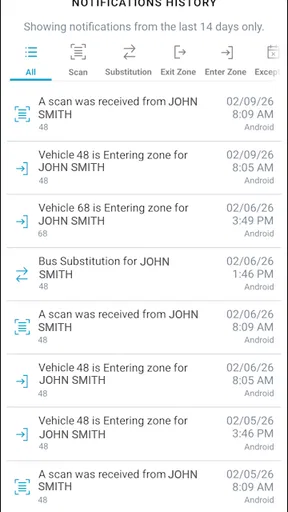
Here Comes the Bus can provide alerts for events such as a bus approaching a stop, delays, route changes, cancellations, or other transportation updates, although available notifications differ between school districts. After installation, review the app’s notification permissions and account settings to make sure alerts are enabled. Families should also continue checking official school messages because urgent announcements may be delivered through other channels.


